
Mountain property care starts with a simple idea: water and gravity always get a vote. A beautiful slope, gravel drive or wooded lot can behave very differently after repeated rain, falling leaves or a hard freeze. An annual walk-around—plus a shorter check after major weather—can catch small problems before they block access or reach a foundation.
Start where the water goes
Walk the property during or just after a steady rain if it is safe. Look for water crossing the driveway, scouring gravel, collecting behind a wall or flowing toward a building. Clear leaves from visible drains and note soft ground, clogged culverts or new erosion. A contractor should evaluate significant movement, structural cracks or drainage work near a foundation.
Read the driveway from bottom to top
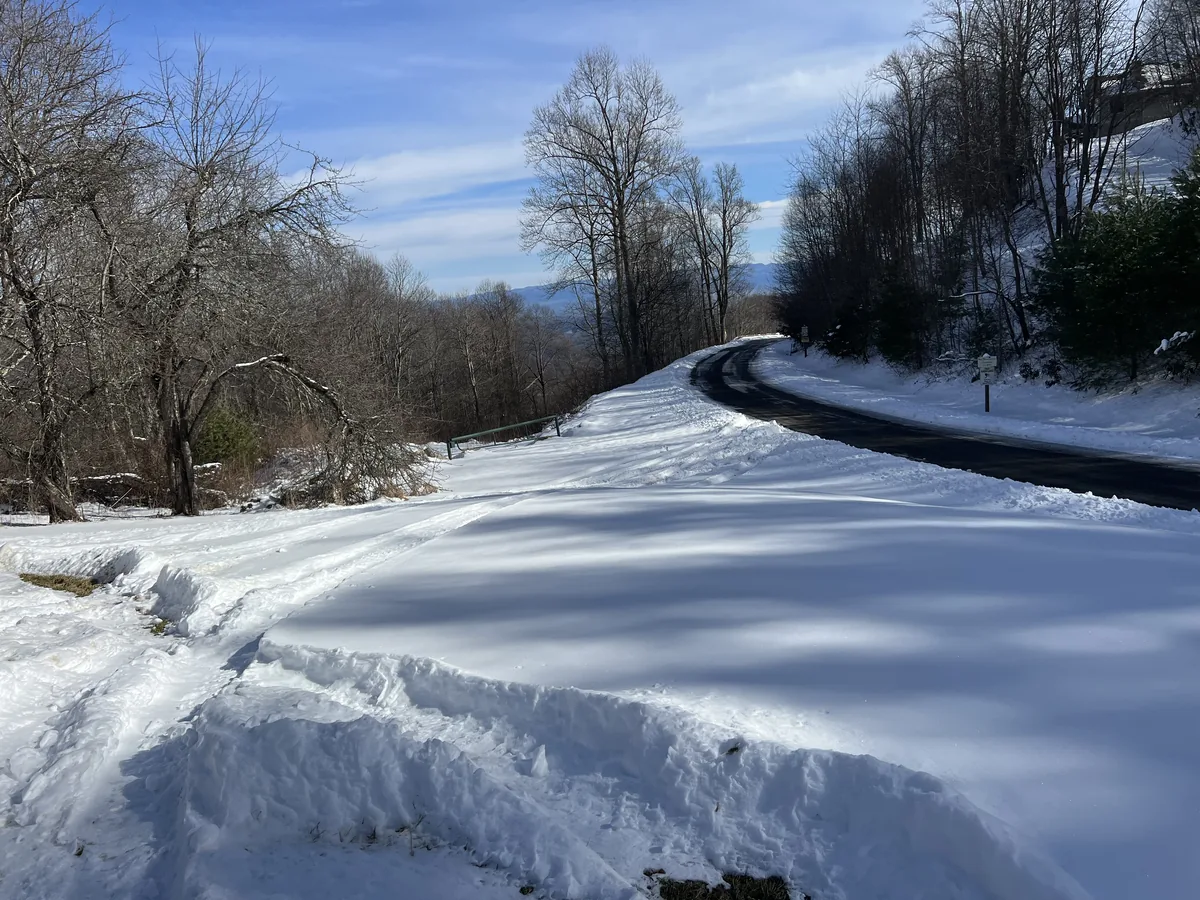
On steep drives, inspect turnarounds, shoulders, ditches and the transition to the public road. Gravel needs a stable base and a crown or other planned path for runoff. Concrete should be checked for settlement, drainage problems and joint or surface damage. If a new heated drive is under consideration, plan the heating system, electrical requirements, drainage and finished surface together before construction begins; retrofits can be disruptive.
Keep outdoor improvements connected
A patio, fire pit, retaining wall and planting plan should work as one site—not four unrelated purchases. Confirm how the finished grade moves water, whether walls require engineering or permits, and how maintenance equipment will reach the area later. Before accepting a proposal, ask who handles excavation, base preparation, drainage, concrete or masonry, electrical work and final cleanup.
Make absence part of the plan
Second homes and rentals need a written rhythm: property checks, storm response, leaf cleanup, winterization, road access and a clear contact when an owner is away. Photograph conditions before and after major work. For an HOA or shared road, put responsibilities, approvals and emergency contacts in writing.
Questions worth asking before hiring
- What problem is the proposed work solving, and what happens to runoff afterward?
- Who obtains permits and coordinates licensed trades when they are required?
- What preparation is included below the visible surface?
- How will the project be protected from freeze, heavy rain and construction traffic?
- What maintenance should the owner expect in years one, five and ten?