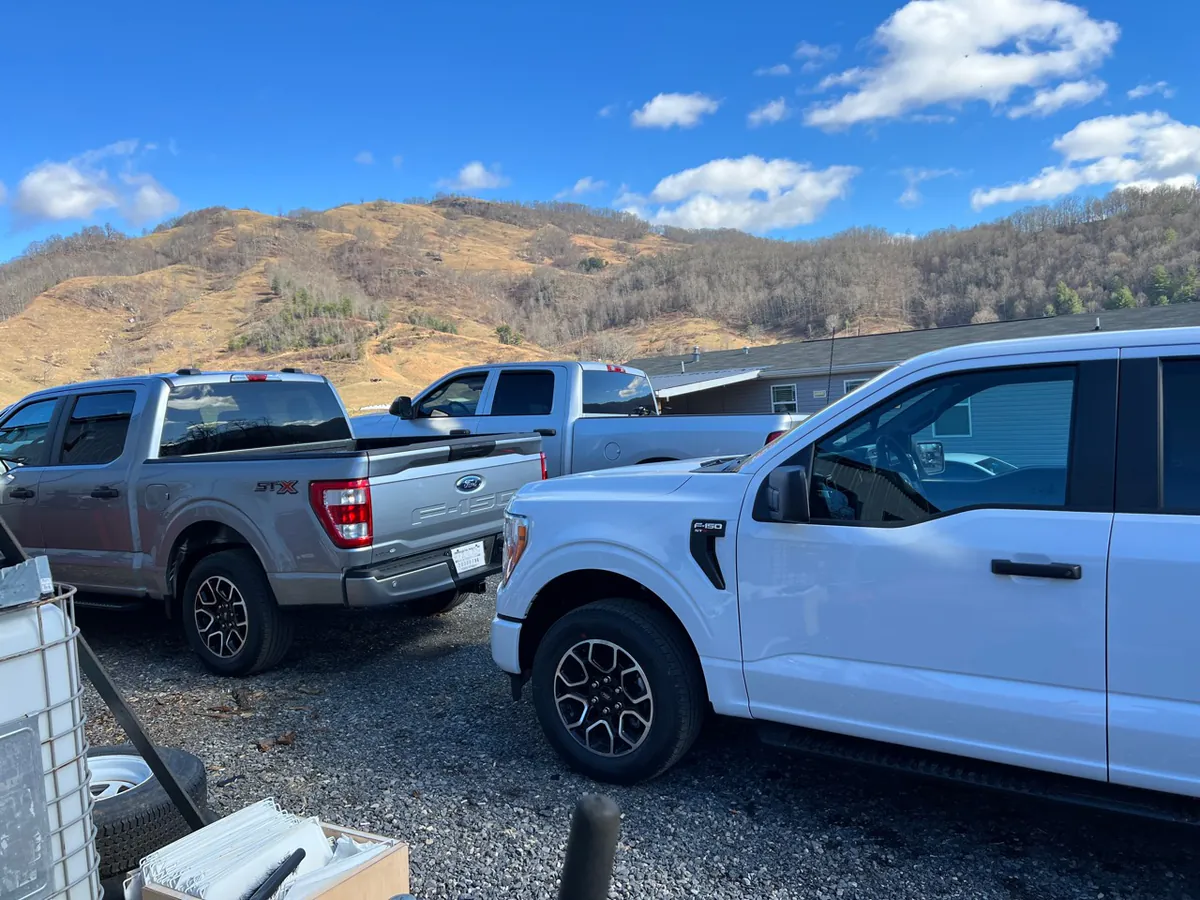
At 92 McElroy Lane, a gravel drive leads to a working metal building with two service bays and a lift on the right. McElroy Auto Repair is an official North Carolina inspection station and a local shop for diagnostics, substantial mechanical work, transmissions, exhaust, trucks, UTVs and selected equipment jobs. It no longer sells, installs or services tires.
The shop asks customers to describe the vehicle, the symptoms, when the problem began, any warning lights and whether the vehicle starts or can be driven. That gives McElroy enough information to confirm whether the job is a fit before the vehicle comes in.
Getting ready for colder mornings? Use WNC Life’s fall vehicle checklist for battery, cooling-system, fluid and visibility checks—and a clear reminder that tire work needs a separate provider.
A specialized lane: propane bi-fuel fleets
McElroy says it typically completes 40 to 60 propane bi-fuel conversions each year for municipal fleet vehicles routed through the Blossman Gas and Alliance AutoGas network. The conversion kits arrive at the shop; McElroy handles the installation. When vehicle and kit are ready, the hands-on conversion can often move through the bay in about one working day.

The work allows an eligible vehicle to operate on propane autogas as well as gasoline. Alliance AutoGas describes its program as combining EPA-certified vehicle systems, refueling infrastructure, training, warranty and ongoing fleet support. Its published network includes conversion centers that install and maintain autogas systems.
Blossman Gas says it is the largest privately owned propane company in the United States. The company founded Alliance AutoGas, which supports public and private fleet conversions through a wider network. McElroy’s role is local and concrete: the installation work happens in Clyde.
One shop, two kinds of trust
The fleet work and the neighborhood repair work share the same practical requirement: careful installation, clear communication and a vehicle that returns to service. McElroy’s own 2022 description of the program says the shop was working on municipal vehicles from Western North Carolina and Eastern Tennessee while continuing to serve local customers, neighbors and farmers.
For a local driver, the first step is still simple: call and describe the vehicle and the problem. For fleet conversion questions, call with vehicle details and program requirements so the shop can confirm whether the work is a fit.